Published: Wednesday 8 October 2025
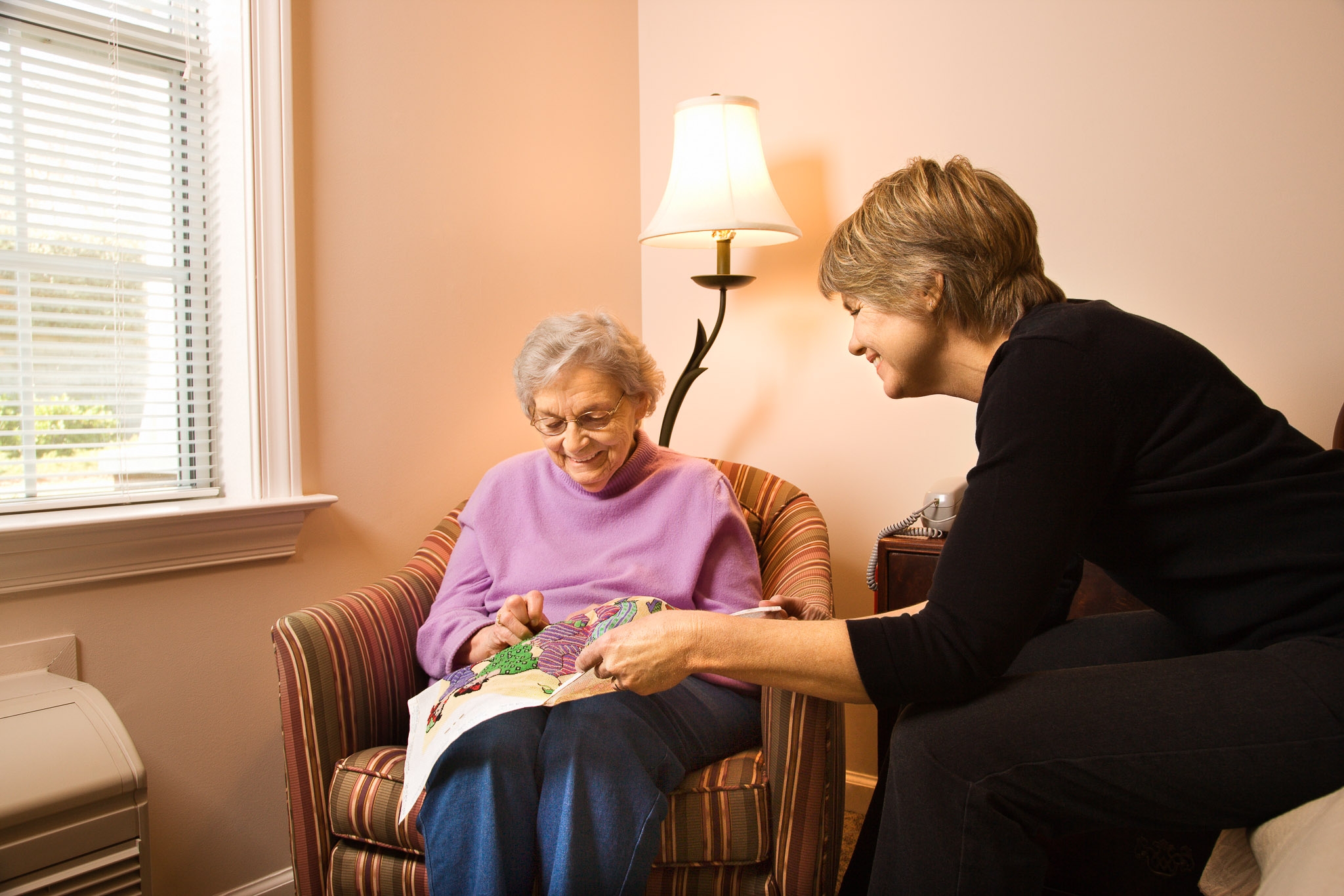
This practice resource provides a summary of the End of Life Pathway under the new Support at Home Program. This document offers a summary of information drawn from resources provided by the Department of Health, Disability and Ageing. Please note that this content does not reflect the views of OTA, nor does it constitute legal or business advice. We strongly encourage individuals to seek their own independent legal and business advice regarding their own arrangements.
Quisque leo turpis, placerat at aliquet eget, posuere quis leo. Vivamus semper pellentesque vestibulum. Nullam sit amet aliquet nisi. Suspendisse sed purus convallis, iaculis leo id, ultricies sem. Suspendisse placerat convallis ipsum.
Fusce tristique mauris eu dui rutrum, sed auctor lorem sagittis. Nulla ultrices bibendum odio ut placerat. Nulla vel sodales nisl. Fusce eget velit fringilla, ultricies velit ut, posuere ante. Aenean auctor dui id rhoncus eleifend. Praesent dictum ultrices iaculis. Maecenas augue erat, mattis ut convallis nec, facilisis id dolor.
Related topics

31 March 2025
PubMed
PubMed comprises over 21 million citations for biomedical literature from MEDLINE, life science journals, and online books. PubMed citations and abstracts include the fields of biomedicine and health, covering portions of the life sciences, behavioural sciences, chemical sciences, and bioengineering. PubMed also provides access to additional relevant web sites and links to the other NCBI molecular biology resources.

15 January 2025
VicRoads: Road Safety Victoria -Occupational Therapy Driving Test Webinar Series (2020)
This 3 part series in completing on road driving assessments in Victoria were developed as part of a VicRoads and Road Safety Victoria Department of Transport project.

7 May 2025
FAQ: Ahpra Registration Queries including Returning to Practice
See Frequently Asked Questions about Ahpra registration here.