
Published: Tuesday 19 August 2025
Can OTA provide advice on the prescription of equipment?
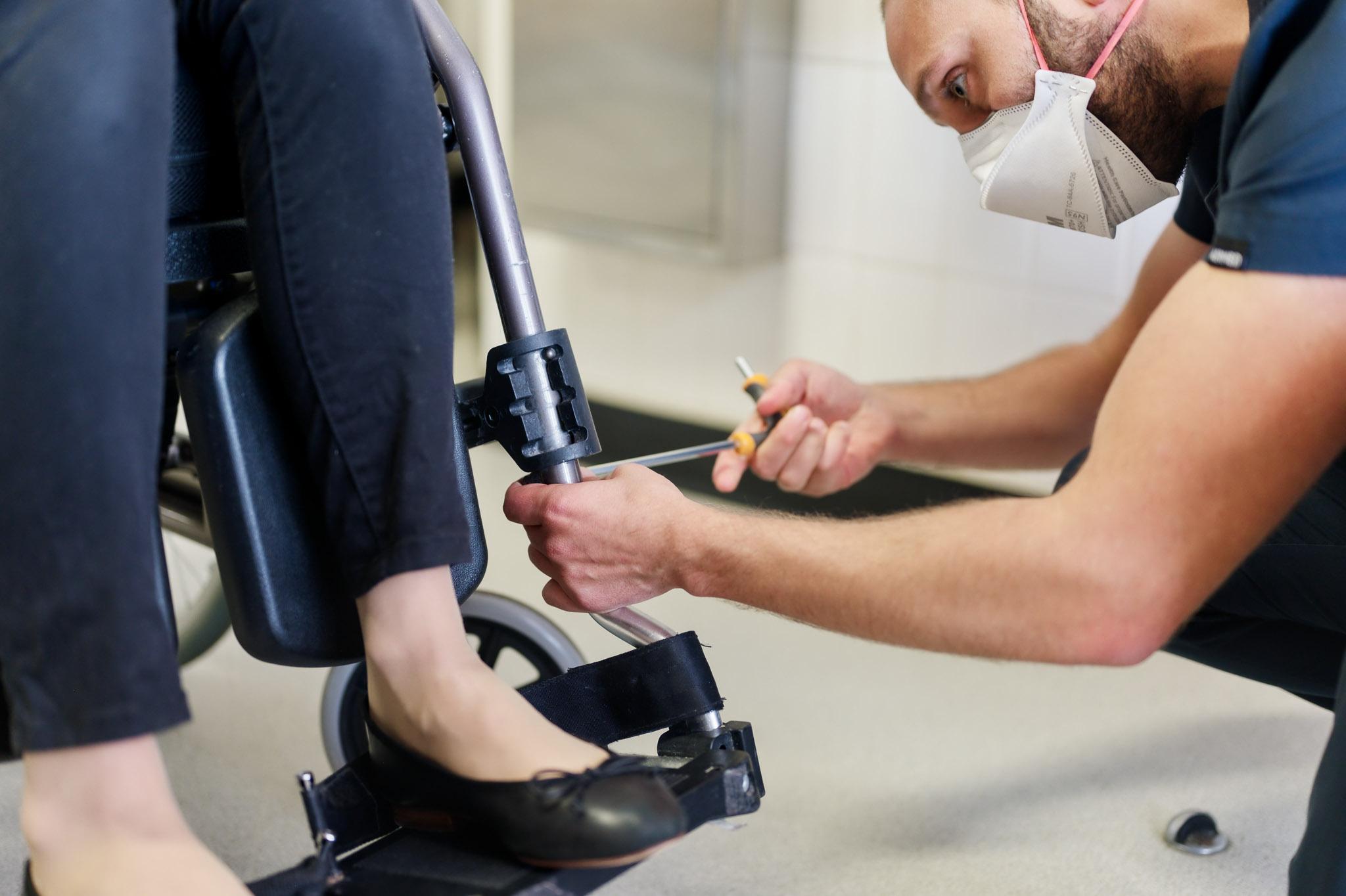
No, provision of equipment is a clinical decision, and OTA provides advice on professional issues rather than clinical concerns. Equipment prescription is specific to an individual’s needs and clinical reasoning needs to be specific to the circumstances. OTA would recommend that a risk analysis should be considered as part of the prescription and that an OT collaborates with experienced clinicians, and gains guidance from a range of sources such as available research, special interest groups or centres of excellence, and reference / support your recommendation accordingly. Clinical supervision may also be of benefit.
There are occasions when OTA may develop a global position around the use of some equipment where there is the potential for adverse events (e.g. coroner’s reports on bed sticks/poles/rails and the development of this position paper).
When could an occupational therapist’s practice be subject to a legal claim in relation to prescription of assistive technology?
It is your responsibility as a professional to understand, and comply with, your regulatory and legal obligations. This includes requirements relevant to your jurisdiction and area of practice. Some examples of where claims could come from might include:
- Professional negligence;
- Breach of Australian Consumer Law;
- Breach of contract; or
- Complaints to the regulator.
OTA is unable to provide legal advice to members. For further information, OTA recommends that you consult a legal professional. OTA members are entitled to a free legal consultation with Maurice Blackburn Lawyers. You can also speak with your manager and professional supervisor for support in understanding your requirements.
OTA recommends that all occupational therapists ensure they understand and are compliant with all professional regulations, standards and relevant legislation to help to reduce risk in practice.
What can occupational therapists do to minimise their risk of a viable claim being made against them in relation to prescription of assistive technology?
Ensuring you are compliant with all professional regulations, standards and relevant legislation will help you to reduce risk of a viable claim being made against you. This may include things such as (but not limited to):
- Following principles of best practice care;
- Working within your competence and expertise;
- Conducting and documenting thorough assessments;
- Keeping clear and accurate health records for all your clients; and
- Ensuring you have adequate professional indemnity insurance coverage for the work you are doing.
OTA is unable to provide legal advice to members. For further information, OTA recommends you consult a legal professional and/or your insurance provider. OTA members are entitled to a free legal consultation with Maurice Blackburn Lawyers. You can also speak with your manager and professional supervisor for support.
Related Tags


Related topics
7 January 2025
Position Statement: Occupational Therapy Scope of Practice Framework (2017)
This document provides the framework for scope of practice which will be underpinned by position papers and guides to good practice for key practice areas and additional scope of practice documents (in development), such as an advanced practice framework, advanced and extended scope of practice documents, and national supervision framework. Occupational Therapy Australia scope of practice documentation will be regularly revised to reflect current needs, knowledge and research to include new areas of activity for occupational therapists in Australia.

3 December 2024
Occupational Therapy National Workforce Data Report (2023)
In 2023 OTA commissioned a significant workforce development project which aimed to formulate a workforce development plan in partnership with the occupational therapy profession. This report provides details of the data analysis that was provided to OTA. This analysis was prepared for the purpose of understanding the key trends across the Occupational Therapy (OT) workforce for the development of the Occupational Therapy Australia (OTA) Workforce Plan.

25 February 2025
American Journal of Occupational Therapy (AJOT)
The American Journal of Occupational Therapy (AJOT) is an official publication of the American Occupational Therapy Association (AOTA), which represents the professional interests and concerns of nearly 213,000 occupational therapists, occupational therapy assistants, and students. The primary mission of AJOT is to publish research examining the effectiveness and efficiency of occupational therapy practice so that occupational therapy professionals can make informed, evidence-based decisions about best practice.