Published: Thursday 22 October 2026
Child-safe practice in occupational therapy
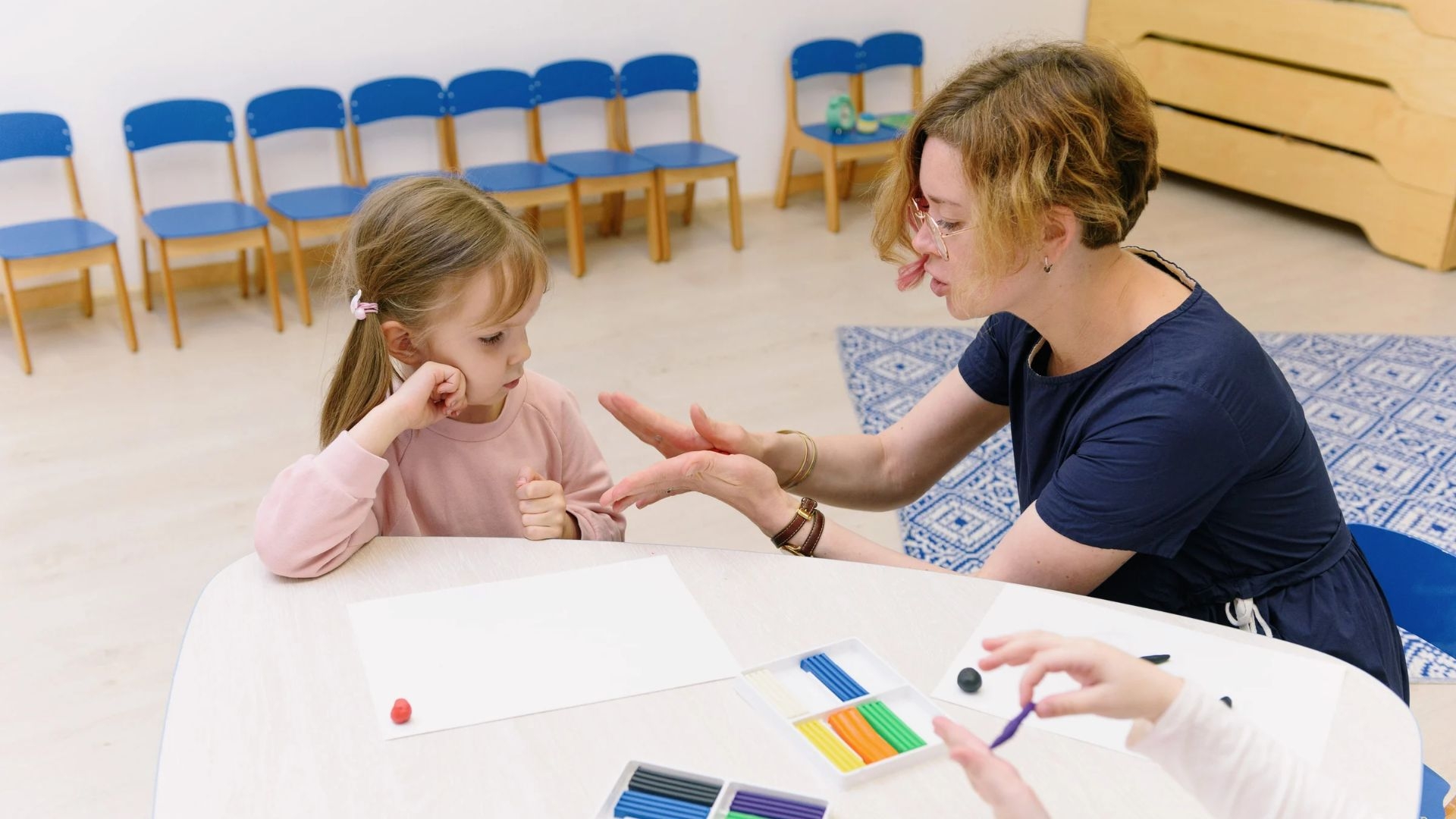
Child-safe practice is a fundamental requirement of occupational therapy practice, and there are legal requirements that you may need to comply with. Child safe practice shapes how occupational therapists listen to children and young people, support their participation in decisions, and respond to concerns in everyday practice.
What does this mean for occupational therapists?
Child safety is part of enabling participation; it is not a separate compliance task. Child safety is relevant across all aspects of everyday OT practice with children and families, from goal setting, assessment and intervention to collaboration with families, educators and other professionals. In practice, this might mean thinking about how we:
- Enable children to be heard: adapt communication and opportunities for choice so children and young people can express their views, preferences and concerns in ways that work for them.
- Support safe participation: consider how physical and social environments, routines, relationships and service practices influence children's experiences of safety, inclusion and belonging.
- Uphold children's rights: work in partnership with families while ensuring children's perspectives are heard and concerns are responded to appropriately.
- Support safe and accountable practice: understand your organisation's procedures for documenting concerns, seeking advice, escalating issues and meeting relevant reporting obligations.
These considerations align with the child-focused, family-centred and participation-focused principles underpinning contemporary occupational therapy practice. They also reinforce that child safety is a shared responsibility, supported by individual professional reasoning and effective organisational systems.
Embedding child-safe practice: ACT introductory webinars
The ACT Children and Young People Commissioner (CYPC) is hosting one-hour introductory webinars for the primary care and allied health sector to support implementation of the ACT Child Safe Standards. The webinars offer an opportunity to consider how the Standards translate into everyday practice and what changes, if any, may be needed in your own work or service. They can be a useful starting point for reflecting on current approaches, identifying gaps and strengthening the policies, processes and support that help embed child-safe practice.
Webinar: ‘Introduction to the Child Safe Standards for primary care and allied health’
Please register before 24 November. Further resources, training and implementation support are available here. The CYPC is also seeking feedback on how it can support organisations to implement the standards.
Tasmania: Practical workshops on child-safe practice
Tasmania's Office of the Independent Regulator is hosting in-person workshops on the Child and Youth Safe Standards and Reportable Conduct Scheme investigations in Launceston on 28 October, Devonport on 29 October and Hobart on 3 November. The Standards workshops will cover child-centred reporting processes, recruitment and identifying and reducing risks. View workshops and register here.
NSW: Implementing the Child Safe Standards – 30 October
The NSW Office of the Children’s Guardian is hosting Implementing the Child Safe Standards on Friday 30 October from 12 noon to 1.30pm (AEDT). The webinar provides practical tips for embedding the Standards within your organisation’s child-safe practices.
Additional sessions include:
- Implementing the Child Safe Standards: Monday 2 November 10-11.30am AEDT
- Developing a Child Safe Risk Management Plan: Tuesday 3 November 6–8pm AEDT
- Child Safe Reporting Obligations and Processes: Friday 6 November 12 noon– 1.45pm AEDT.
A reminder for all members
Child-safe practice is relevant nationally, but legislative requirements differ. Check the child-safe standards, mandatory reporting obligations and any reportable conduct requirements that apply in your jurisdiction and practice setting. For further learning, visit NAPCAN's training calendar for upcoming workshops on the National Principles for Child Safe Organisations.
OTA's Capability Framework for Occupational Therapists Working with Children, Young People and Families provides a further reference for reflecting on the capabilities that underpin safe, effective and ethical practice.
Western Australia: Allied health fees update
WorkCover WA has confirmed indexation-based increases to their current Allied Health fee schedule, effective from 1 November. If you’re an occupational therapist delivering services in WorkCover WA’s workers’ compensation schemes, fees applicable to current codes rise by 3.90%.
Initial consultations can now be charged at $166.90, up from $160.65. Similarly, subsequent consultation fees rise from $124.80 to $129.65, with extended initial/subsequent consultations (those over 45 minutes) rising from $178.30 to $185.25.
An updated Treatment Management Plan (TMP) will take effect at the indexed rate of $125.20 from 1 November, charged under the existing item code (OCC07).
The full summary of updated WA Allied Health fees can be accessed here. The occupational therapy fee detail is included at schedule 7.
Share your experience of Support at Home: Survey extended
The Department of Health, Ageing and Disability has extended its survey on the Support at Home program to 30 October. The survey seeks feedback from health workforce professionals about their experiences delivering services within Support at Home. The evaluation seeks to:
- understand how the reforms are working in practice
- capture the experiences of older people, their support networks, assessment organisations, service providers and the at-home aged care workforce
- identify what is working well and where improvements may be needed
- provide evidence to inform future aged care policy directions.
If you’re delivering services under Support at Home, your experience and insight are valuable information that can inform this evaluation. We encourage you to fill out the survey, available here.
Related Tags